



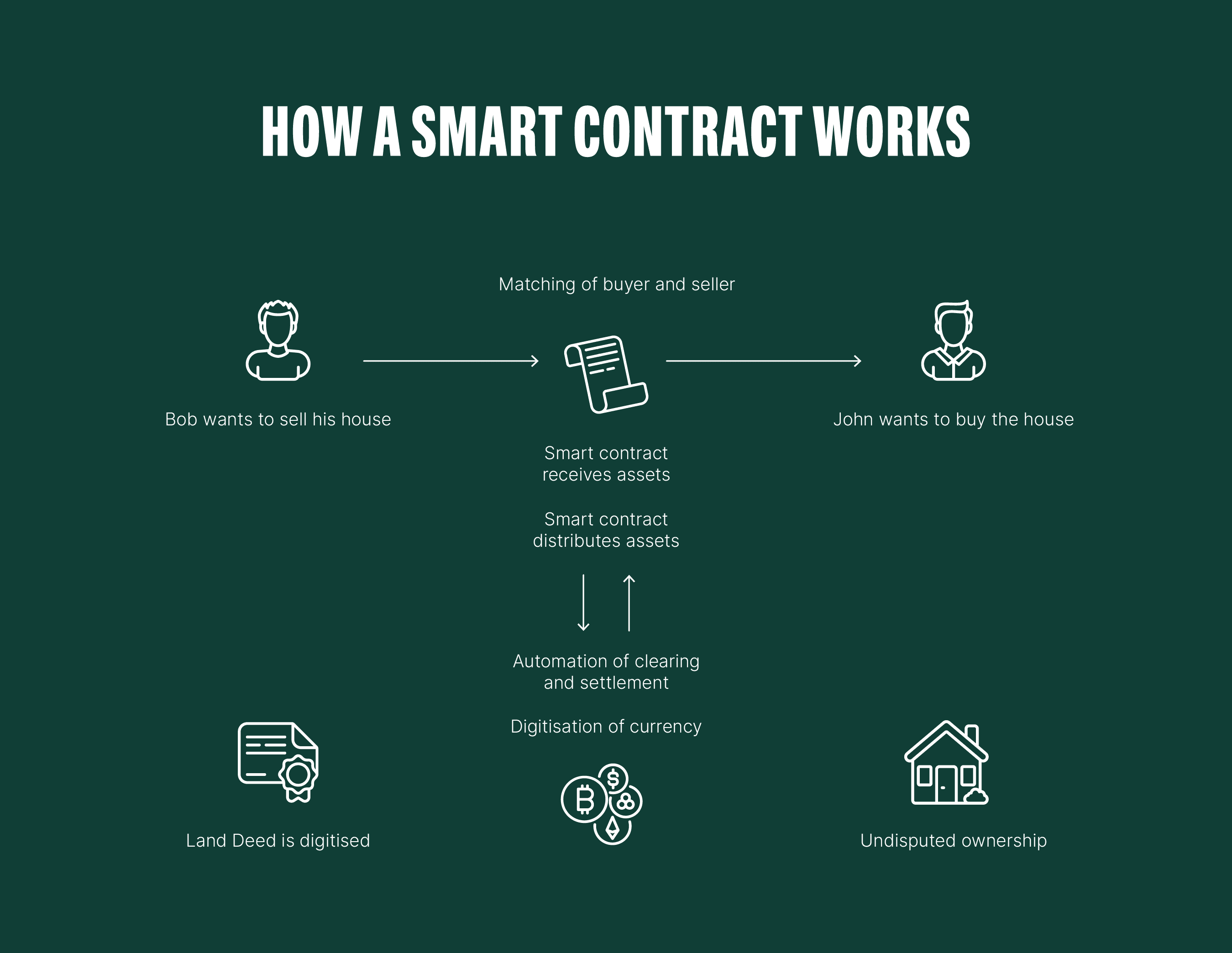

We answer the most common questions about smart contracts to give you a comprehensive overview.
A traditional contract is a legally binding agreement between parties, usually recorded in writing and enforced in court in case of disputes. A smart contract, on the other hand, is a piece of code on a blockchain that automatically executes predefined conditions once they are met. Whether a smart contract is legally enforceable depends on the legal framework in place and is not yet clearly defined in all countries.